
IN THE TEA GARDEN: 7 Herbs for nervous system support
These 7 herbs have been used traditionally to support, strengthen, calm and soothe the nervous system. Adding some (or all!) of these fragrant and beautiful plant friends to your garden will not only bring a bounty of pollinators but will offer you year-long fresh handpick tea for any moment and mood. These delicious plants can be steeped alone or blended into brews. Each image suggests different blends only using herbs from this short selection to offer inspiration in your own tea blending.
Most of these plants are readily available at any nursery and likely well-known to you. However some are not so easily sourced and you may need to check online for seedlings or seeds.
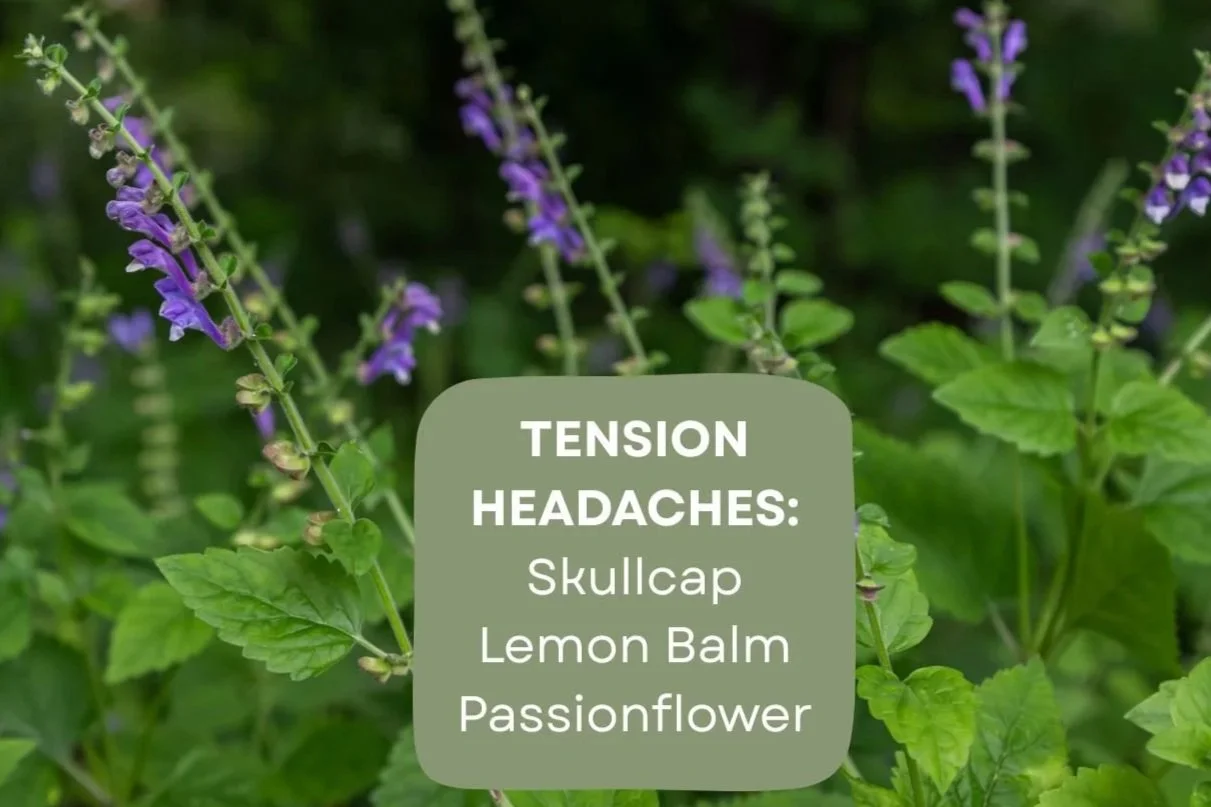
Skullcap (Scutellaria spp.)
This unassuming herb is not generally grown in gardens although you will certainly find it available at any apothecary. It is well worth finding a shady spot for this delicate member of the mint family. There are various Skullcap species including the Dwarf Skullcap (Scutellaria humilis) native to most of eastern Australia, growing in moist sheltered areas along creeks and gullies. The more commonly used varieties are American Skullcap and Chinese Skullcap. While seedlings aren’t generally available, seeds can be bought online but will need to be cold stratified before planting out.
Traditionally skullcap is used to support the nervous system in times of anxiety and stress, nervous exhaustion and insomnia especially when combined with passionflower or valerian. By opening up the blood flow from the brain this plants may help with headaches and help with an overactive mind. It acts to revive the central nervous system and its antispasmodic properties can help with irritability and restlessness.
Lemon Balm (Melissa officinalis)
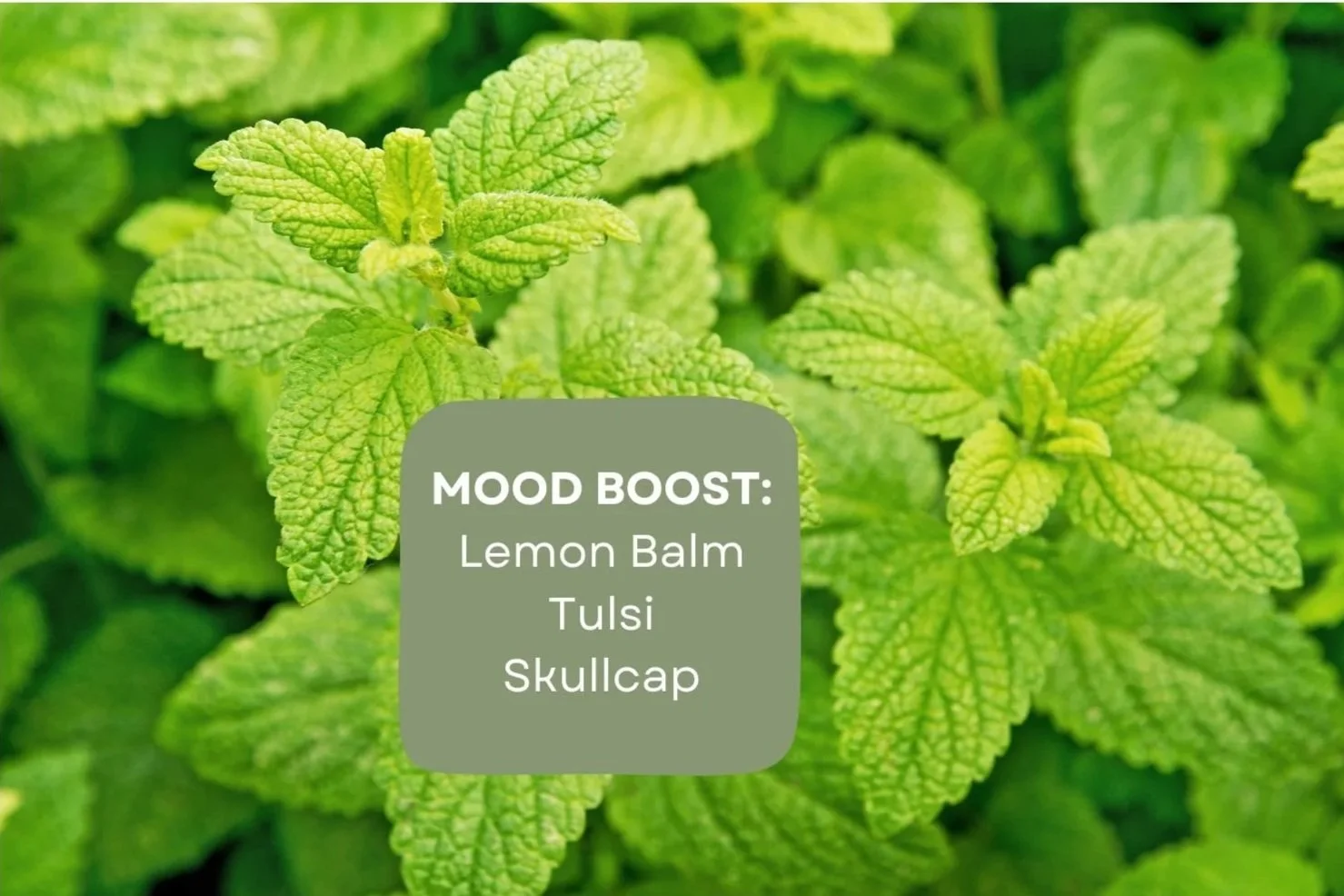
A very well known gentle nervine tonic, this mint family member will flourish in sheltered moist places in your garden. You will soon have a luscious mound from which to harvest handfuls of lemony tea at any time of the year. There is nothing quite like the scent of crushed lemon balm. Bees, butterflies and other pollinators tend to agree as they harvest their own nectar from the purple flowers.
This carminative herb both relaxes and calms tension and stress in the nervous system and the digestive systems. It can be especially useful for digestive issues such as indigestion related to stress, anxiety and depression. Studies have observed mild antidepressant actions of Lemon Balm. This generous plant can also support sleep and the relief of tension headaches.
Lavender (Lavendula spp.)
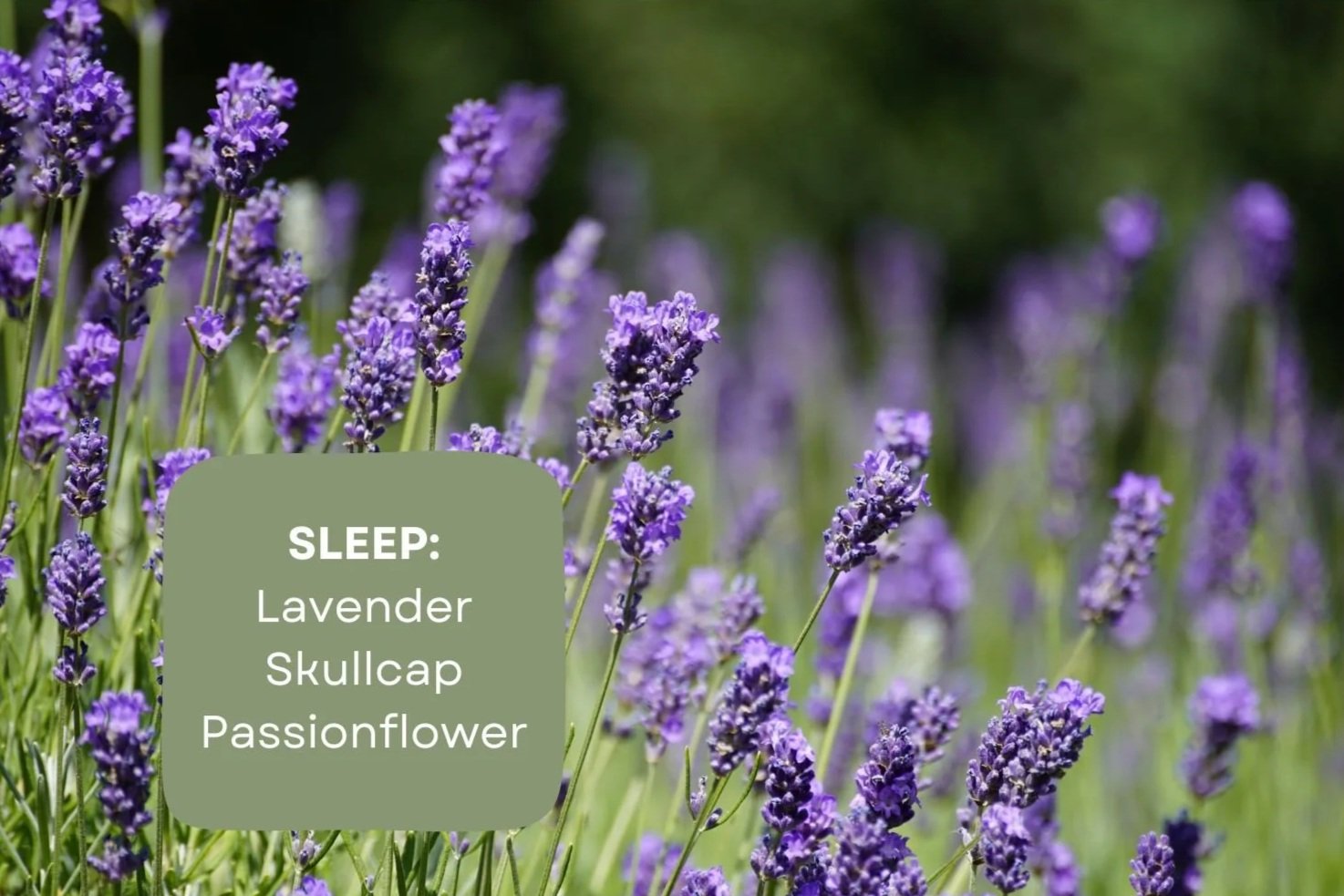
This much loved fragrant herb from the Mediterranean is also a member of the mint family. It enjoys full sun and thrives in stony well-drained soils. Lavender is used in so many different ways including aromatherapy, all kinds of foods, cosmetics, teas and much more. The volatile oils in the flowers have the relaxing and calming benefits for which lavender well known for.
Lavender has a very long history going back to Ancient Arabic, Greek and Roman times of use to lift mood, relieve stress and tension, headaches, insomnia and to strengthen the nervous system.
Chamomile
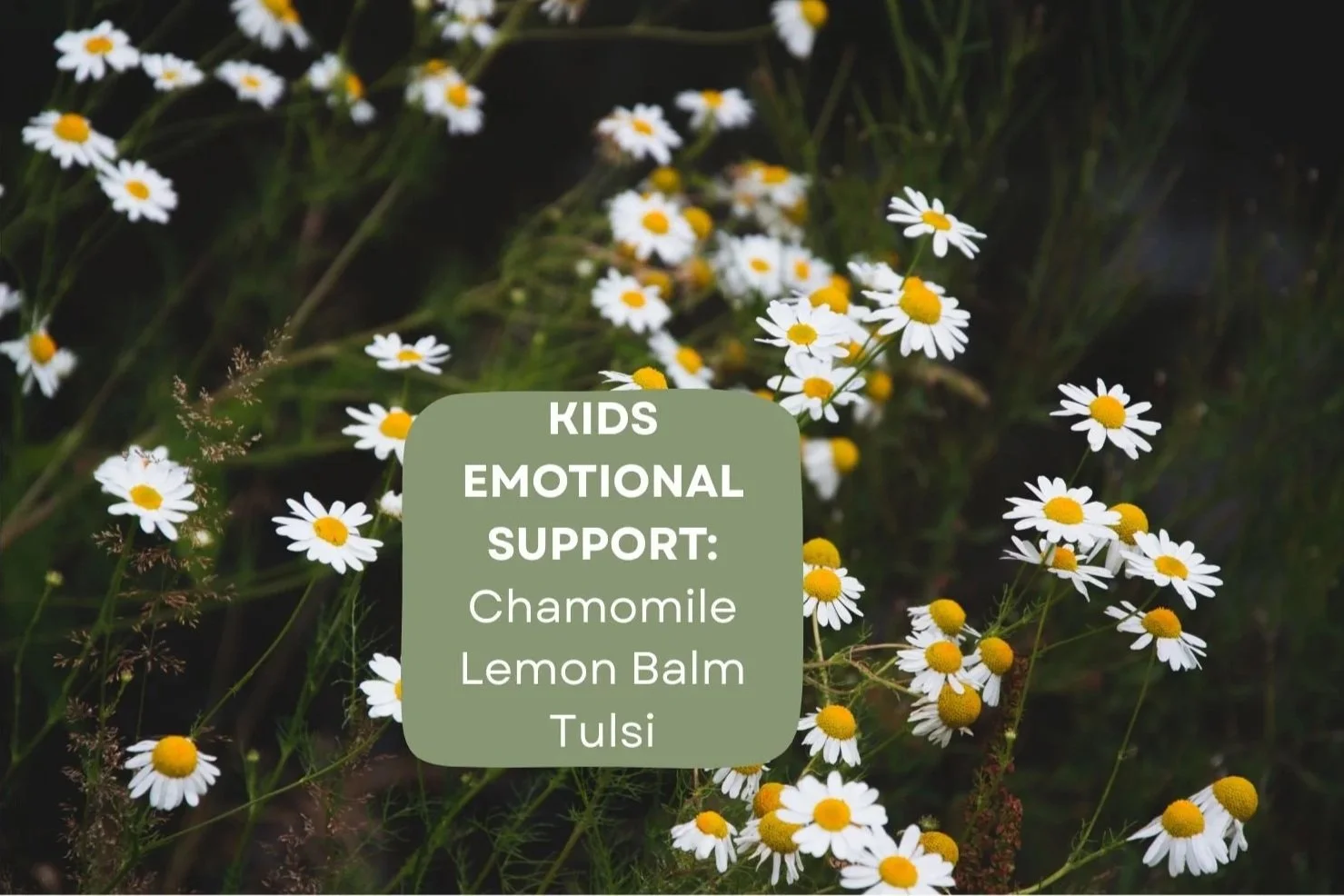
This gentle plant has a very long traditional history of use for stress relief but also for digestive and immune support. The two main species are Roman Chamomile (Chamaemelum nobile) and German Chamomile (Matricaria chamomila) which is often used for digestive support and inflammation. More gentle, Roman Chamomile is preferred for emotional stress, tension, sleep and especially the fresh flower.
Roman Chamomile is a low growing mat-forming perennial that sends up an apple-y scent tolerating light foot traffic. In warmer climates will prefer a semi-shaded spot.
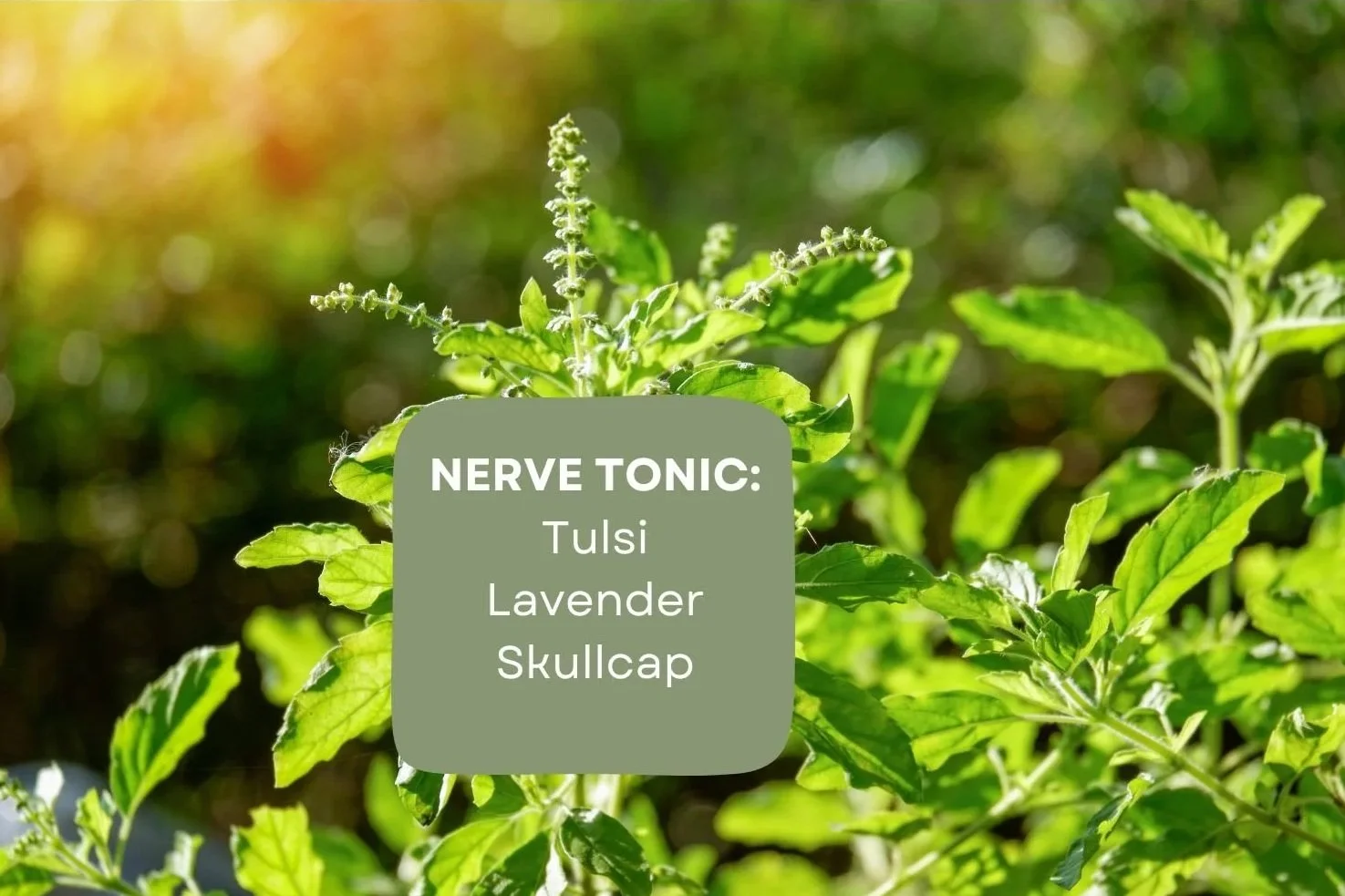
Tulsi (Ocimum tenuiflorum, Ocimum sanctum)
The “Queen of Herbs” from the Ayurvedic tradition coming from the foothills of the Himalayas where it grows as a perennial, this revered plant has naturalised in the tropical regions of Australia. Tulsi thrives in a sunny spot with well draining soil and will flower heavily, attracting many beneficial pollinators.
One of the more gentle adaptogenic herbs that strengthens the body’s ability to respond to stress, Tulsi or Holy Basil is also an aromatic nervine that supports the nervous system with anxiety and low mood, and mental exhaustion.
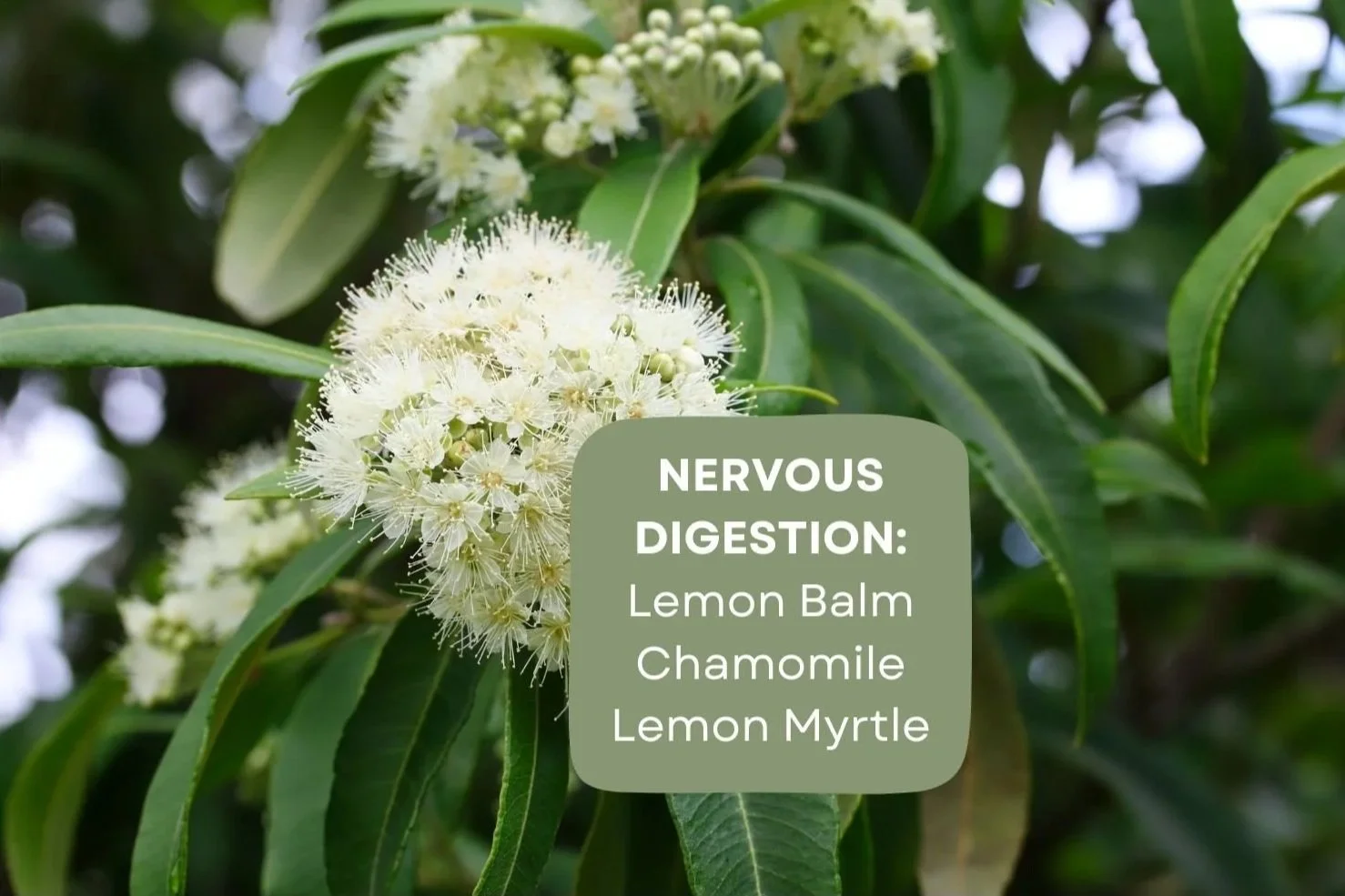
Lemon Myrtle (Backhousia citriodora)
This beautiful tree from the east coast sub-tropical rainforests of Australia contains a potent citral percentage that gives it its signature lemony scent. However, this hardy tree also thrives in cooler climates and can be grown in a pot indoors.
Citral benefits the digestive system with its antimicrobial, antiinflammatory and antioxidative properties. Its sedative effects have been used traditionally for relaxation and stress relief. As a gut-brain axis ally Lemon Myrtle is a wonderful addition to your tea garden.
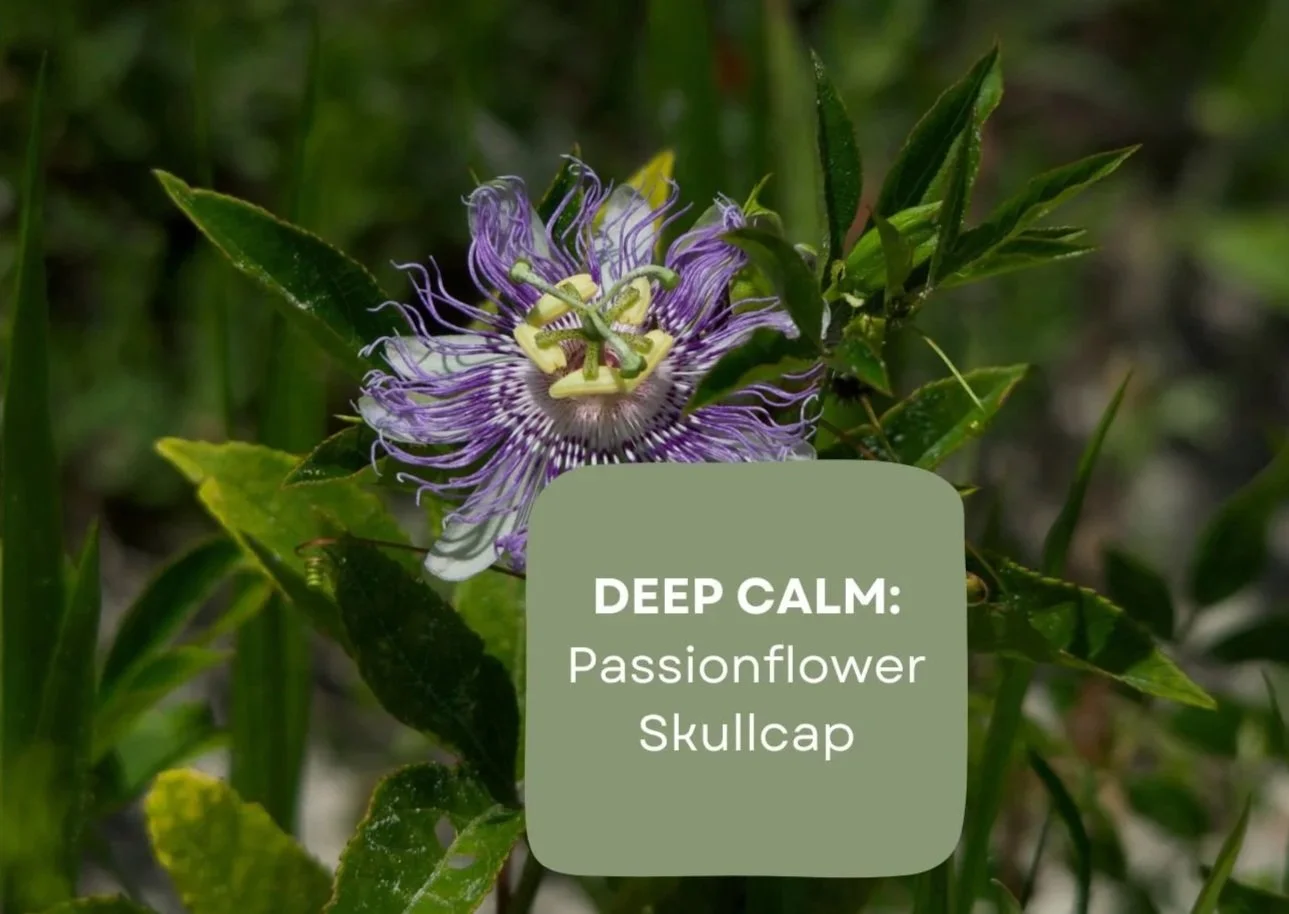
Passionflower (Passiflora incarnata)
Native to the Americas, Passionflower is a perennial tendril growing vine with magical flowers and delicious fruits. This fast growing plants loves a sunny spot and well drained soils. While there are over 500 passiflora species, including a few Australian native species, it is the flowers and leaves of the Passiflora incarnata that contains the highest concentration of beneficial compounds- amongst them flavonoids and alkaloids used to regulate neurotransmitters.
Valued as a herb to regulate the nervous system, Passionflower has been used to encourage calm, sleep and reduce tension and anxiety. With its strong sedative effect on the nervous system, Passionflower is especially valued to aid with deep rest and sleep.
PRECAUTIONS:
Consult a healthcare practitioner if sleeplessness persists continuously for more than 2 weeks, if you are pregnant or breastfeeding. Consumption of alcohol is not recommended. Some people may experience drowsiness. Exercise caution if you are driving, or involved in activities that require mental alertness within two hours of consumption.
DISCLAIMER:
The information in this article is designed to provide a general overview of the botany and traditional uses of these herbs. It is not intended and should not be construed as health advice. Every person is unique and you should consult with your health care provider before using any herbal product or supplement.